
Living with IBS: When Everyday Life Becomes Unpredictable
Living with Irritable Bowel Syndrome (IBS) can be exhausting in ways that aren't always visible to others.
It may begin with abdominal discomfort, bloating, changes in bowel habits or the sudden need to find a toilet. But for many people, living with IBS gradually becomes about much more than managing physical symptoms.
You might find yourself checking where the nearest toilet is before leaving home, wondering whether it's safe to eat before an appointment, or feeling apprehensive about a journey you've made many times before.
Perhaps you've declined invitations, avoided certain activities or started planning your day around how your digestive system might behave.
And sometimes, the most difficult part isn't knowing that symptoms may occur. It's not knowing when.
That uncertainty can gradually affect confidence, spontaneity and the freedom to enjoy everyday experiences.
If these experiences sound familiar, it's important to understand that IBS is a genuine gastrointestinal condition, not simply a response to stress or anxiety. There are recognised medical and psychological approaches that can help people manage its symptoms and reduce its impact on daily life.
Understanding IBS: Why Symptoms Can Be Different for Everyone
Irritable Bowel Syndrome is a common condition affecting the digestive system. It is classified as a Disorder of Gut–Brain Interaction (DGBI), reflecting the complex communication between the digestive tract, nervous system and brain.
IBS does not present in exactly the same way for everyone.
Some people experience frequent abdominal pain, while others find bloating, urgency or changes in bowel habits particularly troublesome.
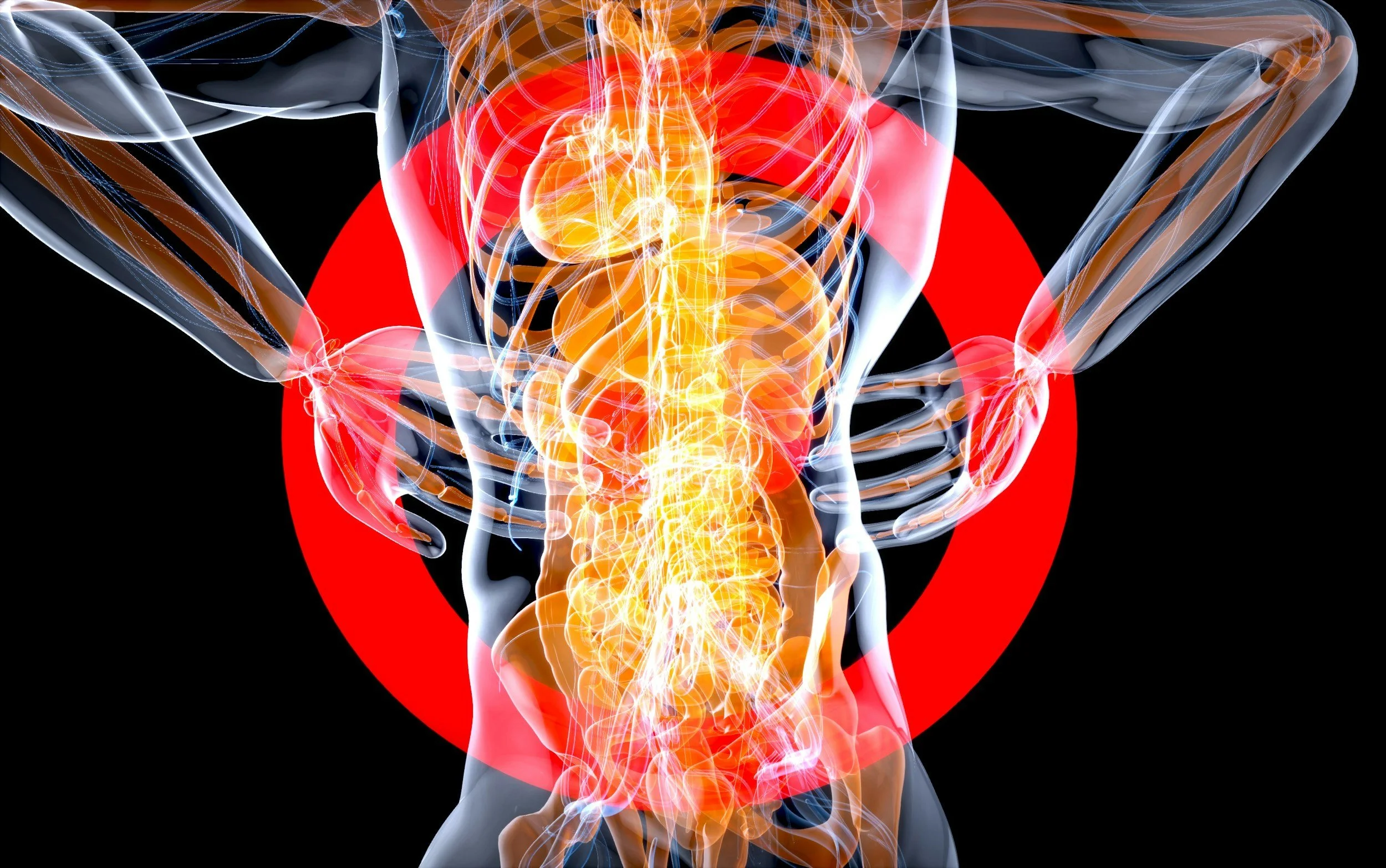
Common symptoms include:
Abdominal pain, discomfort or cramping.
Bloating and a feeling of fullness or swelling.
Diarrhoea, constipation or alternating between both.
Sudden urgency or difficulty emptying the bowel.
Excessive wind or mucus in the stool.
Fatigue, nausea or discomfort after eating.
IBS is often described according to the predominant bowel pattern: IBS with constipation (IBS-C), IBS with diarrhoea (IBS-D), mixed bowel habits (IBS-M), or an unclassified pattern (IBS-U).
Symptoms can fluctuate. You may experience periods when your digestion feels relatively settled, followed by days or weeks when symptoms become more troublesome.
For some people, certain foods, eating patterns, hormonal changes or stressful situations influence their symptoms. For others, a flare-up may occur without an obvious explanation.
This variability is part of what can make IBS particularly challenging. Something that felt manageable yesterday may feel much more difficult today.
Understanding your individual symptom pattern is an important part of effective IBS management. It helps identify which approaches may be appropriate rather than assuming that everyone requires the same treatment.
The Gut–Brain Connection: Why Your Digestive System and Nervous System Matter
Have you ever experienced butterflies in your stomach before an important event, felt nauseated when worried, or noticed changes in your appetite during a stressful period?
These everyday experiences illustrate the relationship between our emotional and physical processes.
The digestive system and brain communicate continuously through what is known as the gut–brain axis.
This communication involves several interconnected systems, including the enteric nervous system within the digestive tract, the autonomic nervous system, immune processes and hormonal signalling.
These systems influence digestion, intestinal movement, sensitivity to physical sensations and how gastrointestinal signals are interpreted.
In IBS, several processes may be involved, including changes in bowel motility, increased sensitivity to intestinal sensations and differences in how signals from the digestive tract are processed.
For example, a normal degree of intestinal stretching or movement may feel particularly uncomfortable or painful to someone experiencing increased gut sensitivity.
Stress and emotional experiences can also influence gut function and symptom perception. Importantly, this relationship works in both directions.
Digestive symptoms can create worry and uncertainty, just as stress may sometimes contribute to worsening digestive symptoms.
This does not mean IBS is caused by your thoughts or that the symptoms are imagined.
IBS is a physical condition involving complex biological processes. Understanding its relationship with the brain and nervous system helps explain why treatments addressing gut–brain communication may be beneficial.

The Gut–Brain Connection: Why Your Digestive System and Nervous System Matter
Have you ever experienced butterflies in your stomach before an important event, felt nauseated when worried, or noticed changes in your appetite during a stressful period?
These everyday experiences illustrate the relationship between our emotional and physical processes.
The digestive system and brain communicate continuously through what is known as the gut–brain axis.
This communication involves several interconnected systems, including the enteric nervous system within the digestive tract, the autonomic nervous system, immune processes and hormonal signalling.
These systems influence digestion, intestinal movement, sensitivity to physical sensations and how gastrointestinal signals are interpreted.
In IBS, several processes may be involved, including changes in bowel motility, increased sensitivity to intestinal sensations and differences in how signals from the digestive tract are processed.
For example, a normal degree of intestinal stretching or movement may feel particularly uncomfortable or painful to someone experiencing increased gut sensitivity.
Stress and emotional experiences can also influence gut function and symptom perception. Importantly, this relationship works in both directions.
Digestive symptoms can create worry and uncertainty, just as stress may sometimes contribute to worsening digestive symptoms.
This does not mean IBS is caused by your thoughts or that the symptoms are imagined.
IBS is a physical condition involving complex biological processes. Understanding its relationship with the brain and nervous system helps explain why treatments addressing gut–brain communication may be beneficial.

The Hidden Impact of IBS: When Symptoms Begin Shaping Your Decisions
One of the most difficult aspects of living with IBS is how subtly it can begin influencing everyday choices.
You may initially make small adjustments to feel more comfortable or prepared.
Perhaps you check toilet facilities before travelling, avoid particular foods when eating out or allow extra time before leaving home.
These can be sensible, practical ways of managing a genuine health condition.
However, when symptoms are unpredictable, understandable precautions can sometimes become increasingly restrictive.
You might begin avoiding unfamiliar places, travelling only when necessary or turning down invitations because you're uncertain how your body will respond.
Eventually, it may feel easier not to go than to risk experiencing symptoms.
This is where IBS can begin affecting confidence in ways that extend beyond the digestive system.

The Cycle of Symptoms, Anticipation and Avoidance
Consider what might happen when someone has previously experienced an urgent bowel movement during a long journey.
The next time they need to travel, they may remember that uncomfortable experience and begin wondering whether it will happen again.
Their attention becomes increasingly focused on digestive sensations.
A small amount of abdominal movement that might previously have gone unnoticed suddenly feels significant.
They may become anxious, repeatedly check their body for warning signs or decide that avoiding the journey feels safer.
The relief that follows cancelling the trip can be immediate.
Yet over time, repeated avoidance may strengthen the expectation that travelling is unsafe or unmanageable.
This is an example of how symptom anticipation, increased attention to bodily sensations and avoidance can interact with physical experiences, sometimes making IBS more disruptive.
Not everyone with IBS develops this pattern, and not every precaution is unnecessary. Appropriate medical, dietary and practical adaptations remain important.
The therapeutic aim is to recognise when helpful preparation has gradually become a restriction that limits everyday life.

How Gut-Directed Hypnotherapy May Help
Gut-Directed Hypnotherapy is a specialised psychological intervention developed to address the symptoms of gastrointestinal conditions such as IBS.
Unlike general relaxation hypnosis, it uses therapeutic imagery, focused attention and carefully tailored suggestions directed towards digestive sensations and gut–brain processes.
During a session, you may be guided into a state of focused attention, allowing you to engage with imagery and suggestions relevant to your individual symptoms.
For example, therapeutic imagery may involve imagining digestive processes becoming more comfortable and regulated, or using metaphors that encourage a different response to uncomfortable gut sensations.
These experiences are not intended to deny physical symptoms or suggest that they are under conscious control.
Instead, gut-directed hypnotherapy aims to influence aspects of symptom experience and gut–brain communication through repeated, structured therapeutic practice.
Research suggests that this approach can help some people experience improvements in overall IBS symptoms, including abdominal pain and quality of life.
Although the precise mechanisms are not fully understood, studies have investigated changes in gut sensitivity, symptom processing and brain–gut functioning following gut-directed hypnotherapy.
An important distinction is that gut-directed hypnotherapy is not simply about feeling relaxed.
Its therapeutic purpose is to address IBS-specific symptoms while helping people develop greater confidence and practical skills for managing their condition.
Results vary, and some people may experience greater benefit than others. It is best understood as one evidence-informed treatment option within a broader approach to IBS management.

Bringing Therapeutic Learning into Everyday Life
The value of therapy is not limited to what happens during an appointment.
For someone living with IBS, meaningful progress may become noticeable in ordinary experiences.
It might involve feeling more comfortable planning a journey, approaching a social event with less anticipatory worry or becoming more confident in managing symptoms at work.
Gut-directed hypnotherapy can be combined with IBS-specific Cognitive Behavioural Therapy (CBT) to address both gastrointestinal symptoms and the patterns of thinking and behaviour that may be increasing their impact.
For example:
Travelling with greater confidence
Therapy may help you explore the expectations and memories influencing travel-related anxiety, develop practical coping strategies and gradually approach journeys that feel manageable.
Feeling more comfortable in social situations
Rather than automatically declining invitations because of what might happen, you can begin identifying realistic preparations and considering ways to participate that respect your individual needs.
Responding differently to physical sensations
Learning about gut sensitivity and symptom-related attention may help you recognise uncomfortable sensations without immediately assuming that they signal an impending crisis.
Developing greater flexibility around everyday routines
Where appropriate, therapy can help you distinguish between adaptations that genuinely support your wellbeing and patterns that may be unnecessarily limiting your activities.
Building confidence in managing setbacks
IBS symptoms can fluctuate even when management strategies are helpful. Therapy can support a more flexible response to flare-ups, helping you adapt without interpreting every difficult day as a loss of progress.
These changes don't necessarily mean that symptoms disappear.
They reflect an important therapeutic objective: reducing the extent to which IBS determines your confidence, decisions and participation in everyday life.

My Integrative Approach to IBS Support
At Inner Mind Navigator, my approach combines Gut-Directed Hypnotherapy, Cognitive Behavioural Hypnotherapy (Hypno-CBT) and Strategic Psychotherapy, drawing on complementary strategies according to your individual needs.
Each approach contributes something different.
Gut-Directed Hypnotherapy focuses on gastrointestinal symptoms and gut–brain processes through structured hypnotic techniques.
CBT-based strategies help identify symptom-related expectations, worry, avoidance and coping behaviours that may be contributing to difficulties.
Strategic Psychotherapy adds an emphasis on recognising maintaining patterns, exploring existing strengths and developing practical ways to respond more effectively to challenges.
Together, these approaches allow us to consider not only the physical symptoms you experience, but also how IBS may have influenced your confidence, routines, expectations and quality of life.
Rather than following a single approach for everyone, therapy is tailored to your circumstances, symptom profile and therapeutic goals.
The aim is to help you develop a clearer understanding of your experiences, explore appropriate strategies for symptom management and build practical skills that can be used beyond our session

What Might Progress Look Like?
When living with a persistent condition, it's understandable to hope for fewer symptoms and greater physical comfort.
For some people, gut-directed hypnotherapy may contribute to improvements in symptom severity. For others, progress may also involve changes in confidence, daily functioning or how they respond to symptoms.
You might find yourself:
Feeling less preoccupied with the possibility of a flare-up.
Approaching previously avoided situations with greater confidence.
Responding to uncomfortable sensations with more effective coping strategies.
Feeling better equipped to manage a difficult day without becoming overwhelmed.
Making more decisions based on your interests, relationships and goals.
Developing greater confidence in your ability to manage IBS alongside other aspects of life.
Progress is individual and may not be linear.
The intention is not to eliminate all uncertainty, but to help you develop the understanding, flexibility and skills needed to navigate life with IBS more confidently.
Taking the Next Step
Living with IBS can involve constant adjustments that others may never see.
The planning, the uncertainty, the disappointment of changing plans, and the effort involved in managing symptoms can gradually become part of everyday life.
It's understandable to want more than simply getting through another day without a flare-up.
You may want to travel more confidently, enjoy time with family and friends, feel more comfortable at work or begin participating in activities that have gradually become difficult.
At Inner Mind Navigator, I offer an individualised approach to IBS support that recognises both the physical reality of your symptoms and the wider impact they may have on your life.
If you're considering Gut-Directed Hypnotherapy or would like to explore whether psychological support could complement your existing IBS management, you're welcome to get in touch.
An Initial Therapy Consultation provides an opportunity to discuss your experiences, explore your goals and consider the most appropriate next steps together.

*IBS should be appropriately assessed by a GP or another qualified healthcare professional. If you develop unexplained weight loss, rectal bleeding or other new or concerning symptoms, seek prompt medical advice. Psychological therapy complements appropriate medical care and does not replace medical investigation or treatment.
