
IBS Support: An Integrative Approach to the Gut–Brain Connection
Understanding Irritable Bowel Syndrome (IBS)
Living with Irritable Bowel Syndrome (IBS) can be frustrating, unpredictable and, at times, overwhelming. While the physical symptoms often receive the greatest attention, many people find that IBS gradually affects much more than their digestive system. It can influence confidence, relationships, work, travel, social activities and everyday decision-making.
Perhaps you've found yourself planning journeys around toilet access, avoiding certain foods before leaving home, declining invitations because you're worried about symptoms, or feeling anxious before an important meeting or long journey. Over time, it isn't always the symptoms themselves that become most exhausting, it can be the constant anticipation of them.
If this feels familiar, you're not alone.
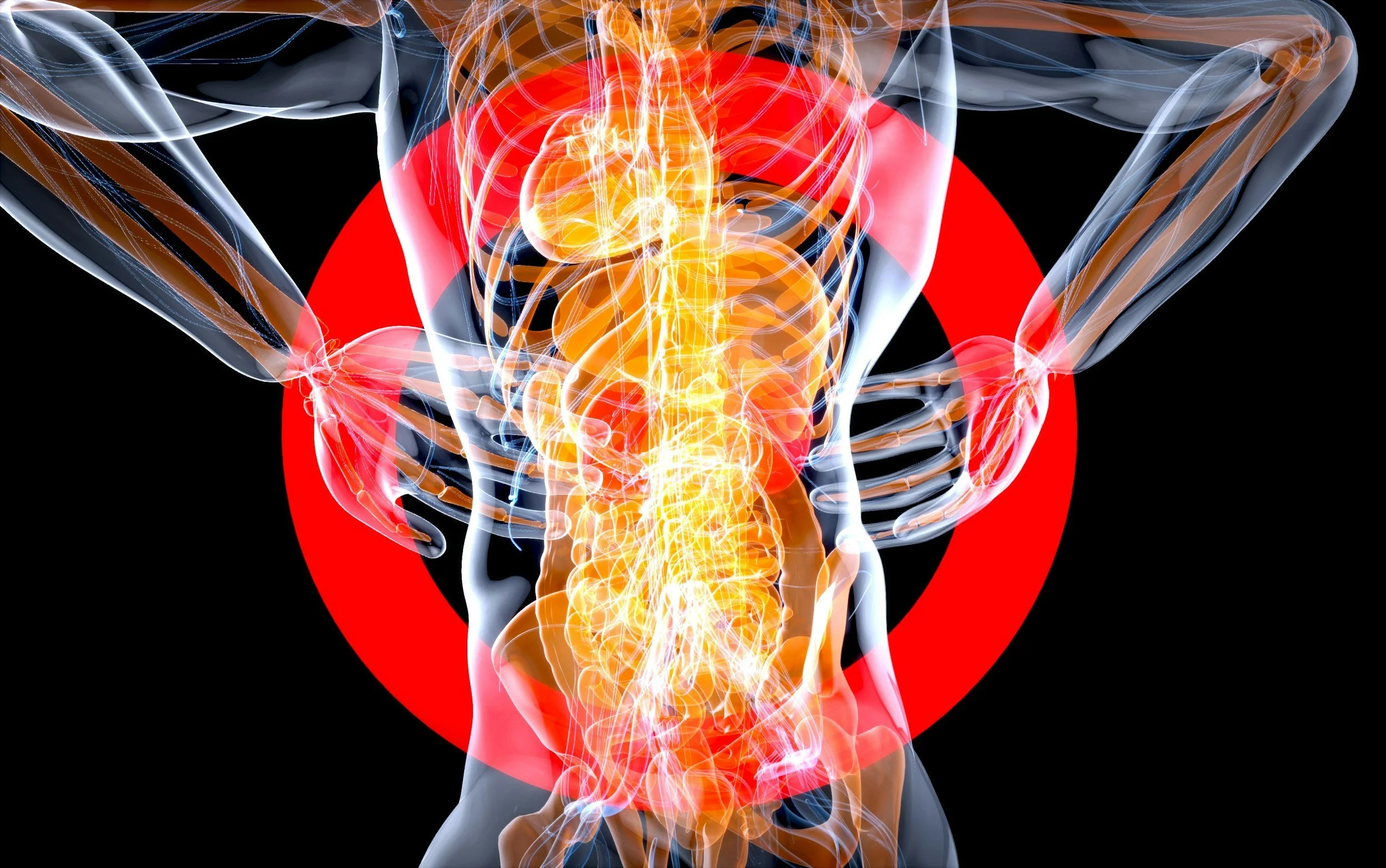
IBS is one of the most common gastrointestinal conditions and affects people of all ages. It is recognised by healthcare professionals as a Disorder of Gut–Brain Interaction (DGBI), meaning that symptoms arise through a complex interaction between the digestive system, nervous system and brain. This understanding reflects current medical and psychological research and helps explain why stress, emotions and physical symptoms can become so closely connected.
Importantly, this does not mean that IBS is "all in your mind." Your symptoms are real, recognised and can have a significant impact on daily life. Understanding how the gut and brain communicate simply provides another way of understanding why symptoms may fluctuate and why psychological therapies are recommended alongside appropriate medical care for some people.
Common Symptoms of IBS
IBS affects everyone differently. Some people experience occasional discomfort, while others find that symptoms significantly interfere with their quality of life.

Common symptoms may include:
Abdominal pain or cramping
Bloating or abdominal swelling
Diarrhoea, constipation, or alternating between both
Urgency to use the toilet
Feeling that the bowel has not emptied completely
Excessive wind
Mucus in the stool
Symptoms that worsen after eating
Fatigue or reduced energy
Increased sensitivity to digestive sensations
Many people also notice that symptoms become more noticeable during periods of stress, significant life changes or prolonged emotional pressure. While stress does not cause IBS, it can influence how the nervous system and digestive system communicate, contributing to symptom flare-ups for some individuals.
Before beginning any psychological treatment, it is important that IBS has been appropriately assessed by your GP or another qualified healthcare professional. Therapy is intended to complement not replace medical investigation, diagnosis or treatment.
Understanding the Gut–Brain Connection
The digestive system and the brain are constantly communicating through a sophisticated network often referred to as the gut–brain axis. This two-way communication involves the nervous system, hormones, immune system and the millions of nerve cells found within the digestive tract.
Most of us have experienced this connection at some point. You may have noticed "butterflies" before giving a presentation, a loss of appetite during periods of worry, or a nervous stomach before an important event. These are everyday examples of how emotional experiences can influence digestive function.
For people living with IBS, this communication can become more sensitive.

Digestive sensations that might ordinarily pass unnoticed may become more uncomfortable or more noticeable. At the same time, experiencing ongoing symptoms can understandably increase worry, frustration and uncertainty about when the next flare-up might occur. As this cycle repeats, many people begin paying closer attention to their digestive sensations, anticipating problems before they happen and gradually changing their daily routines to avoid discomfort or embarrassment.
Over time, this can create a cycle where physical symptoms and anxiety begin reinforcing one another not because the symptoms are imagined, but because the brain and digestive system continually influence each other.
Understanding this relationship is often reassuring. Rather than viewing IBS as something that is "just stress" or something entirely outside your control, it becomes possible to understand how reducing the nervous system's threat response may also help reduce the impact IBS has on everyday life.
When IBS Begins to Affect Everyday Life
One of the most challenging aspects of IBS is that it often extends beyond the digestive symptoms themselves.
Many people begin adapting their lives in ways they never expected.
You may recognise some of these experiences:
Travel and Holidays
You avoid long journeys, public transport or flying because you're worried about access to a toilet.
Eating Out
Restaurants, cafés or meals with friends become a source of anxiety rather than enjoyment.
Work and Study
Important meetings, presentations, examinations or interviews may feel more stressful because you're concerned about your symptoms rather than the task itself.

Social Activities
You find yourself declining invitations, leaving events early or avoiding unfamiliar places where you don't know the facilities.
Constant Planning
You routinely check where toilets are located, carry emergency supplies "just in case," or avoid eating before leaving the house.
These responses are completely understandable. They often develop as practical ways of trying to prevent embarrassment or discomfort.
Unfortunately, while these strategies may provide short-term reassurance, they can sometimes reinforce the belief that your body is unpredictable or unsafe. Over time, confidence gradually reduces, and life can begin to revolve around managing IBS rather than enjoying the things that matter most.
How Therapy May Help
Living with IBS isn't simply about managing digestive symptoms. For many people, it's also about rebuilding confidence, reducing anxiety and learning to respond differently to the patterns that have gradually developed around the condition.

Therapy cannot promise to eliminate IBS, nor should it replace appropriate medical care. However, psychological therapies have become an important part of IBS management because they recognise the close relationship between the brain, nervous system and digestive system.
Current NICE guidance recommends that psychological therapies, including cognitive behavioural therapy (CBT) and gut-directed hypnotherapy, may be considered for people whose IBS symptoms continue to significantly affect daily life despite appropriate medical management.
Rather than focusing solely on the digestive symptoms, therapy explores how physical sensations, thoughts, emotions and behavioural responses interact. By understanding these patterns, many people develop greater confidence in managing symptoms, reduce the fear associated with flare-ups and gradually regain activities that IBS may have limited.
The goal is not simply to feel less anxious. It is to help you regain a sense of choice, flexibility and confidence so that IBS has less influence over your everyday life.
My Approach
Living with IBS often involves much more than managing digestive symptoms. Over time, many people find themselves becoming increasingly aware of their body's signals, anticipating flare-ups, changing daily routines, or avoiding situations that once felt ordinary. It's understandable that confidence can gradually diminish when symptoms feel unpredictable.
My approach recognises that IBS is influenced by the ongoing relationship between the brain, nervous system and digestive system. Rather than focusing on symptoms alone, therapy explores the patterns that may be contributing to their persistence and the impact they are having on your everyday life.
Together, we'll develop a shared understanding of your experience and identify practical, evidence-informed strategies that support both emotional wellbeing and the gut–brain connection. Therapy is collaborative, tailored to your individual needs and designed to help you build confidence in managing symptoms, rather than allowing them to dictate your choices.
Throughout our work together, therapy may help you to:

better understand the relationship between stress, emotions, the nervous system and digestive symptoms;
reduce the anticipation and worry that often surrounds flare-ups;
develop practical skills to calm the body's stress response;
respond more flexibly to difficult thoughts and physical sensations;
reduce patterns of avoidance that may be limiting your life;
rebuild confidence in situations that currently feel challenging;
strengthen your ability to navigate future setbacks with greater resilience.
Rather than relying on a single technique, therapy draws upon a range of evidence-informed psychological strategies that are integrated according to your individual needs. This allows treatment to remain flexible, responsive and focused on what is most likely to support meaningful progress for you.
The aim is not to convince you that symptoms are "all in your mind," nor to promise that they will disappear. Instead, therapy acknowledges that your experience is real while recognising that the brain, nervous system and digestive system continually influence one another. By learning to work with this connection, many people find they are able to reduce the impact IBS has on their daily lives and begin reconnecting with the activities, relationships and experiences that matter most.
Supporting the Gut–Brain Connection
The nervous system is designed to protect us. When it perceives threat whether physical or emotional, it prepares the body to respond. For people living with IBS, this protective system can sometimes become increasingly sensitive, making digestive sensations feel more noticeable and contributing to a cycle where symptoms lead to worry, and worry further amplifies symptoms.
An important part of therapy is learning how to gently interrupt this cycle.
Through guided therapeutic exercises, focused attention, practical coping strategies and a greater understanding of how the gut and brain communicate, many people develop a greater sense of calm, confidence and control in situations that previously felt overwhelming.
Alongside this, therapy encourages curiosity rather than fear towards bodily sensations, helping to reduce constant monitoring, increase psychological flexibility and support a more balanced relationship with your digestive system.
Small changes, practised consistently, can gradually create meaningful change. As confidence grows, many people find they begin making decisions based on what they value, rather than what their IBS might allow.
Ultimately, my goal is not simply to help you manage symptoms during our sessions, but to equip you with practical skills, greater self-understanding and increased confidence so that you can continue navigating life's challenges long after therapy has ended.

What to Expect
Every person's experience of IBS is different, which is why therapy begins with understanding your experience rather than following a standard programme.
During your Initial Consultation, we'll explore how IBS is affecting your daily life, the challenges you're currently facing, what you've already tried, and the goals that are most important to you. Where appropriate, we'll also discuss relevant medical history and any current treatment you may be receiving to ensure therapy complements your overall care.
Together, we'll develop a shared understanding of the patterns contributing to your experience and agree on an approach tailored to your individual needs.
As therapy progresses, sessions are adapted in response to your progress and priorities. Alongside guided therapeutic work during sessions, you'll develop practical skills and strategies that you can apply in everyday life, helping you build confidence and become increasingly independent in managing future challenges.
Therapy is collaborative, supportive and paced according to your needs, providing a safe space to explore difficulties while working towards meaningful and lasting change.
Is This Service Right for You?
This service may be suitable if you:

Have been diagnosed with Irritable Bowel Syndrome (IBS) by your GP or healthcare professional.
Find that stress, anxiety or significant life events seem to influence your symptoms.
Feel your digestive symptoms are limiting your confidence, independence or quality of life.
Avoid travelling, eating out, social occasions or unfamiliar places because of concerns about flare-ups.
Feel constantly alert to digestive sensations or worry about symptoms occurring unexpectedly.
Are looking for an evidence-informed, personalised approach that complements your medical care.
Therapy is not about convincing you that your symptoms are psychological. Your experience is real, and your symptoms deserve to be taken seriously. The aim is to help you understand the interaction between the gut, brain and nervous system, while developing practical ways of responding that may reduce the impact IBS has on your daily life.
If you have recently developed digestive symptoms, experience unexplained weight loss, persistent bleeding, severe pain, or any other new or concerning symptoms, it is important to seek assessment from your GP or an appropriate healthcare professional. Therapy complements medical care and is not a substitute for medical investigation, diagnosis or treatment.
Taking the Next Step
Living with IBS can be physically and emotionally demanding. For many people, it isn't only the symptoms themselves that become difficult it is the uncertainty, the constant planning, and the gradual changes made to everyday life in an effort to avoid discomfort or embarrassment.
Therapy offers an opportunity to better understand these experiences and develop practical strategies that support both your emotional wellbeing and the gut–brain connection. While everyone's journey is different, the aim is to help you feel more confident, more flexible in your responses, and less restricted by the challenges IBS can bring.

If you're considering therapy, Book Your Initial Consultation, it provides an opportunity to discuss your experiences, explore your goals, and together we work collaboratively towards meaningful change.
