Fear of Flying

A Mind–Body Approach to Flight Anxiety

Fear of flying (aviophobia) is not simply about fear of being in an aircraft or experiencing turbulence. It is a complex interaction between the nervous system, perception of control, past experiences, catastrophic thinking, and physiological stress responses.

For many people, flight anxiety develops gradually and becomes reinforced by avoidance, anticipatory worry, and misinterpretation of bodily sensations or external cues. Over time, this can lead to panic symptoms, claustrophobia, or complete avoidance of air travel.

This integrative, mind–body therapeutic approach combines strategic psychotherapy, clinical hypnosis, NLP, Hypno-CBT, and aviation-informed psychoeducation to help regulate fear responses, restore a sense of control, and support calm, confident flying.

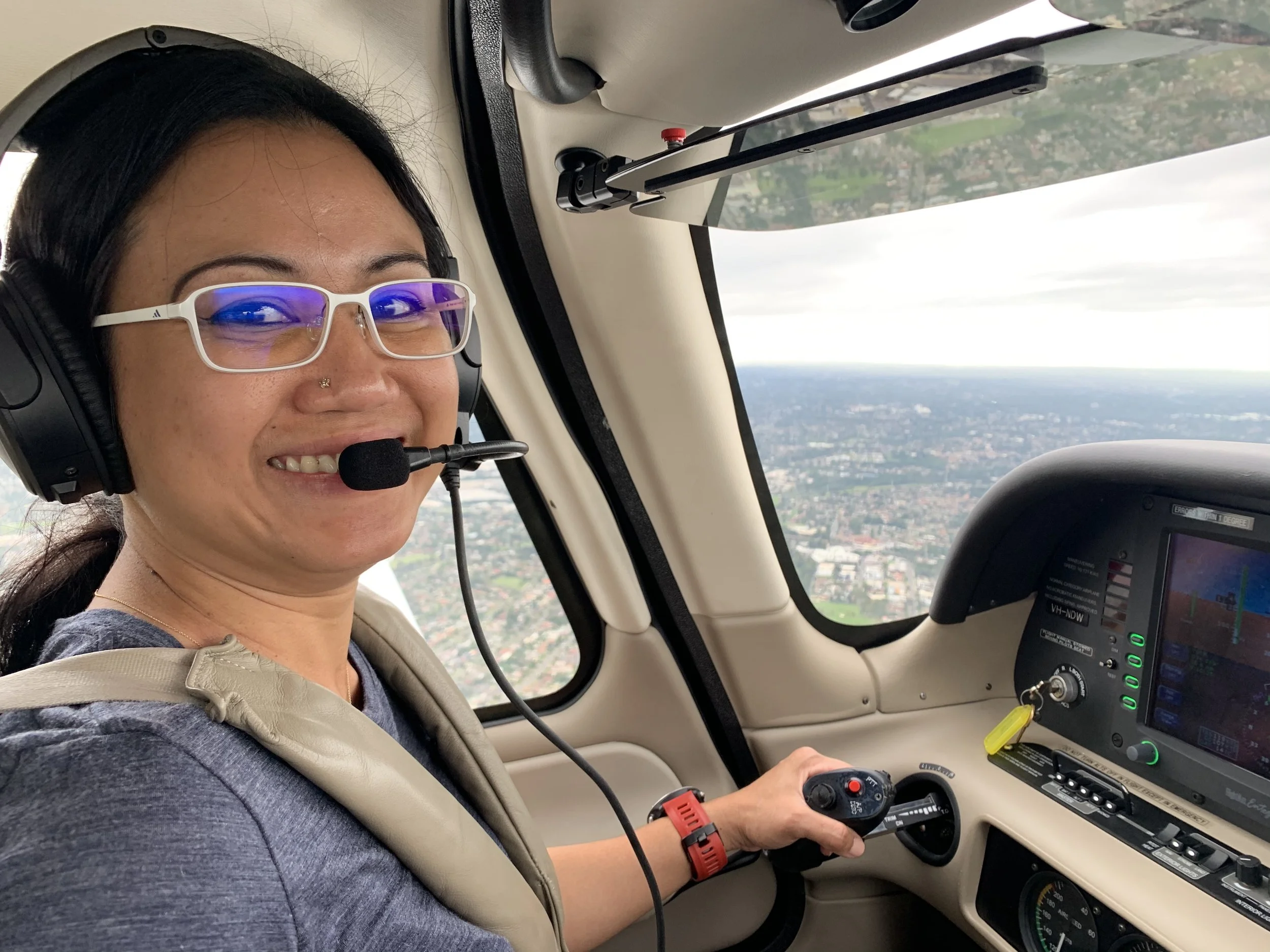
My background as a trained pilot allows therapy to be informed by accurate, real-world aviation knowledge, supporting realistic risk perception and reducing fear driven by uncertainty or misinformation.

A Personalised & Evidence-Informed Process for Fear of Flying

Understanding Your Fear Response

We begin by developing a clear understanding of how your fear of flying has formed and what maintains it.

• Explore the development of flight anxiety and avoidance patterns

• Identify anticipatory anxiety, panic triggers, and underlying beliefs about lack of control

• Understand the physiology of panic and threat perception

• Clarify specific flight-related fears (turbulence, take-off, confinement, bodily sensations)

• Use hypnotherapy to recalibrate unhelpful fear associations and rehearse adaptive coping responses

This stage restores clarity and helps you understand your anxiety rather than feeling controlled by it.

Mind–Body Regulation & Nervous System Stability

Fear of flying is driven by nervous system activation rather than real-time danger. Regulation is central to sustainable change.

• Nervous system regulation and grounding techniques

• Reduce panic symptoms such as breathlessness, dizziness, and racing thoughts

• Somatic awareness to distinguish anxiety sensations from actual threat

• Clinical hypnotherapy to reduce fear reactivity and build internal safety

• Establish calm states that can be accessed before and during flights

Aviation-Informed Reframing & Psychoeducation

Accurate understanding reduces fear more effectively than reassurance alone.

• If required an explanation of aircraft systems, redundancy, and flight safety

• Understanding turbulence through atmospheric science and flight mechanics

• Reframing sounds, movements, and sensations often misinterpreted as danger

• Differentiating emotional threat from operational reality

• Supporting realistic, evidence-based perceptions of flight safety

This helps reduce catastrophic thinking while restoring confidence in both the aircraft and your own interpretations.

Addressing Overgeneralised & Catastrophic Beliefs

We gently work with beliefs that amplify anxiety and reduce confidence.

• Identify overgeneralised assumptions (“If I panic, something will go wrong”)

• Separate feared outcomes from physiological stress responses

• Reframe claustrophobic and control-based fears

• Use strategic psychotherapy, clinical hypnosis and Hypno-CBT to recalibrate threat narratives

• Establish confidence, cognitive flexibility, and self-efficacy

Gradual Confidence Building & Practical Flight Anxiety Support

Progress is collaborative and paced according to your readiness.

• Personalised pre-flight anxiety management strategies

• In-flight coping tools for turbulence, panic, and discomfort

• Mental rehearsal of adaptive coping strategy and use of imagery for calm flying

• Strengthening confidence through reflection and integration

• Supportive tools are provided to strengthen calm focus through skills training

Expected Outcomes

• Reduced anticipatory anxiety before flying

• Improved ability to regulate panic and physical fear responses

• Increased understanding of aviation safety and flight sensations

• Reduced catastrophic thinking and fear of losing control

• Greater calm, confidence, and sense of agency when flying

• Freedom from avoidance and fear-based limitations

This is not a quick fix. Therapy is a structured, ethical, evidence-aligned therapeutic pathway integrating clinical hypnosis, strategic psychotherapy-informed techniques and aviation expertise to support long-term relief from fear of flying.

A Personalised, Mind–Body Approach to Flight Anxiety Support

Develop Calm, Confident readiness for Flight